What Actually Happens During a Mobile Tire Replacement in Plano
A mobile tire replacement in Plano means a mechanic comes to your location, removes your worn tires, mounts and balances your new ones, and gets you back on the road without a tow truck or a shop visit. The work happens in your driveway, at your office, or wherever your vehicle is sitting. It covers the same steps a shop would perform, just without the waiting room.
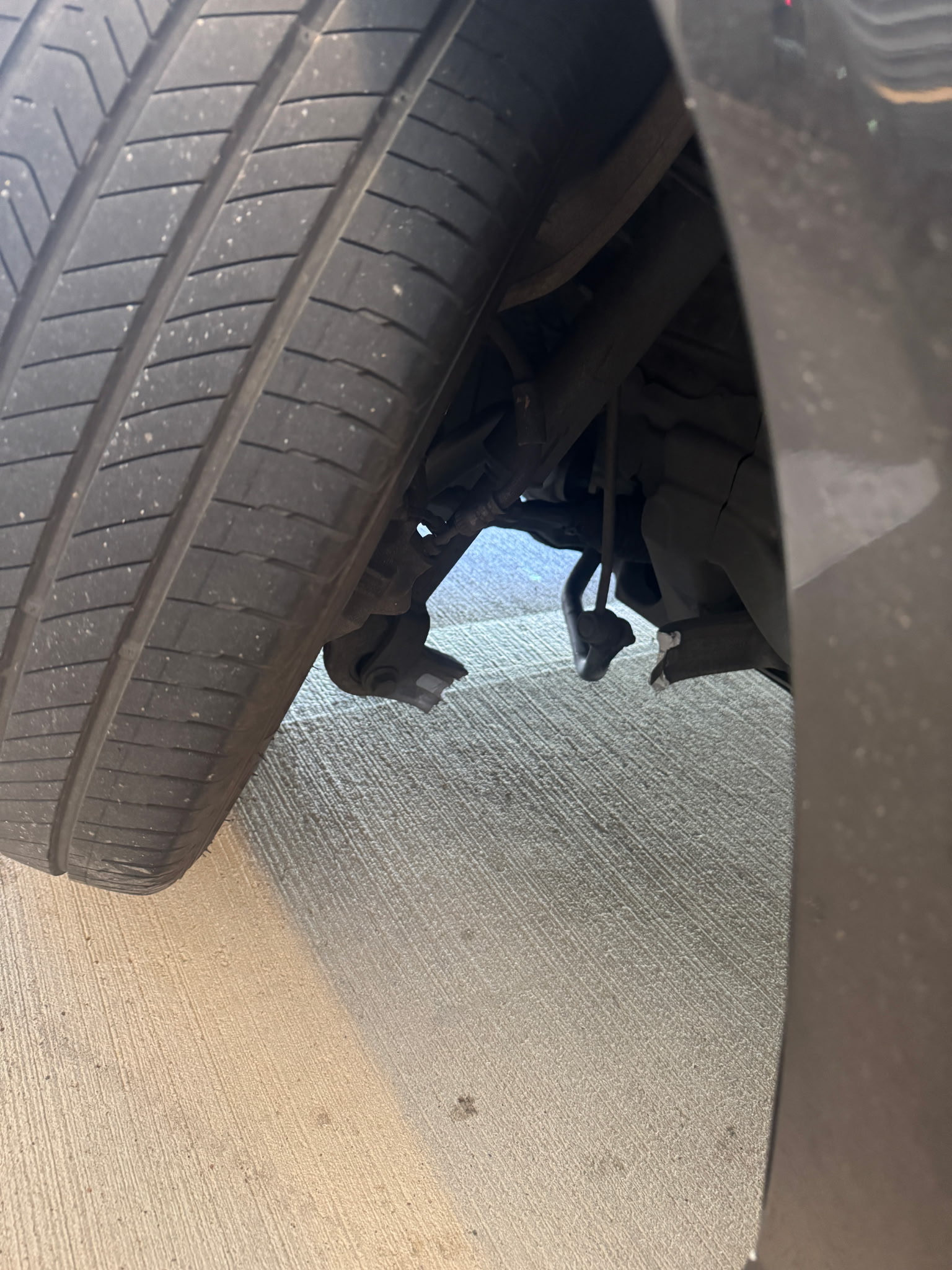
What Does Tire Replacement Actually Involve?
A lot of people think tire replacement is just swapping rubber. It is not. The full process includes loosening the lug nuts, lifting the vehicle safely, pulling the old tire and wheel assembly, dismounting the old tire from the rim, mounting the new tire, inflating it to the correct pressure, and balancing the wheel before it goes back on the car.
Balancing matters more than most drivers realize. A wheel that is even slightly out of balance will cause vibration at highway speeds, uneven tread wear, and extra stress on your suspension components. Skipping that step or doing it poorly will shorten the life of the new tire faster than almost anything else.
The mechanic also checks the condition of the valve stem during the swap. Old or cracked valve stems can cause slow leaks that are easy to blame on the tire itself. Replacing the stem at the same time as the tire costs almost nothing extra and prevents a frustrating problem down the road.
How Do You Know When Your Tires Actually Need Replacing?
The penny test is the most common advice you will hear, and it still works. Stick a penny into the tread groove with Lincoln's head pointing down. If you can see the top of his head, the tread is below 2/32 of an inch and the tire needs to go. At that depth, wet pavement stopping distances increase significantly.
Tread depth is not the only thing to watch. Age matters too. Rubber degrades from heat, UV exposure, and ozone even when a tire looks fine on the surface. Most manufacturers recommend replacing tires after six years regardless of how much tread is left, and ten years is considered the hard limit even for tires that appear serviceable.
Signs That Should Not Wait
Sidewall bulges or bubbles are a safety issue that should be treated urgently. A bulge means the internal structure of the tire has failed. That tire can blow out without warning, and a blowout at highway speed is a serious accident risk. Cracks running along the sidewall or in the tread grooves are another sign the rubber has broken down past the point of safe use.
Persistent vibration that your mechanic cannot trace to wheel balance or alignment is often coming from a tire that has developed internal damage. Tires can separate internally from road impact or manufacturing defects, and the only fix is replacement.
Why Do Tires Wear Unevenly, and What Can You Do About It?
Uneven wear is almost always a symptom of something else going on with the vehicle. Center wear means the tire was chronically overinflated. Edge wear on both sides means it was underinflated. Wear on one edge usually points to an alignment problem. Cupping or scalloping across the tread surface is a sign of worn shocks or struts that are allowing the wheel to bounce instead of staying planted.
Replacing tires without fixing the underlying issue means the new tires will wear out the same way. A good mechanic will flag those problems during the replacement so you are not back in the same situation in half the expected mileage.
Rotation and Alignment After Replacement
New tires are a good time to check alignment. A vehicle that is even slightly out of alignment will start pulling tread off the new tires immediately. The cost of an alignment check is small compared to the cost of replacing tires again ahead of schedule because the alignment was never corrected.
Is Mobile Tire Replacement a Practical Option in Plano?
For most straightforward replacements, yes. A mobile mechanic can handle standard passenger vehicles, light trucks, and SUVs at your location. The equipment travels with the mechanic, so the work gets done on-site. You do not need to arrange transportation or sit at a shop for hours.
The situations where a mobile tire replacement is especially useful are when a tire has failed and the vehicle cannot be driven safely, when your schedule does not allow for a shop visit, or when you simply want the convenience of having the work done at home or at work. Any Hour Mobile Mechanic handles tire replacements across Plano and is available around the clock, which matters when a tire problem does not happen during business hours.
If you want to understand more about the range of services available or read through common repair questions, the resource hub for Any Hour Mobile Mechanic covers a lot of ground in plain language.
What to Have Ready Before the Mechanic Arrives
You do not need to do much, but a few things help the job go smoothly. Know the tire size on your vehicle. It is printed on the sidewall of the existing tires as a string of numbers and letters like 225/55R17. If you are supplying the new tires yourself, make sure they match that specification. If the mechanic is sourcing them, having that number ready speeds up the process.
Make sure the vehicle is parked on a flat, stable surface with enough clearance around it for the mechanic to work safely. A driveway or level parking lot works well. Soft ground or steep inclines make lifting the vehicle harder and slower.
If you are dealing with a tire failure in Plano and need someone to come out, you can reach Any Hour Mobile Mechanic at (318) 381-5033. They are available 24 hours a day and will come to your location to assess the situation and get the work done.
Can a mobile mechanic replace tires at my house in Plano?
Yes. A mobile mechanic can perform a full tire replacement at your home, office, or any location where the vehicle is parked on a reasonably flat and stable surface. The mechanic brings the tools needed to remove, mount, and balance the tires on-site.
How long does a mobile tire replacement take?
A standard four-tire replacement typically takes one to two hours depending on the vehicle and the condition of the lug nuts and wheels. A single tire swap is usually faster. The mechanic will give you a more specific estimate once they know the vehicle and the scope of work.
Do I need to buy the tires before calling a mobile mechanic?
Not necessarily. Some mobile mechanics can source tires for you, while others work with tires you have already purchased. It is worth asking when you call so both sides are clear on what is being supplied and how pricing works.
Is it safe to drive on a tire that has a sidewall bulge?
No. A sidewall bulge means the internal structure of the tire has been compromised. The tire can fail suddenly and without warning, which is a serious safety risk. The vehicle should not be driven until the tire is replaced.
How do I know what size tire my car needs?
The tire size is printed on the sidewall of your existing tires and is also listed on a sticker inside the driver's door jamb. It appears as a series of numbers and letters such as 215/60R16. Your vehicle's owner's manual will also have this information.
Find us on Google Call (318) 381-5033 anytime.
Any Hour Mobile Mechanic - mobile mechanic serving Plano, TX. (318) 381-5033.


Comments
Post a Comment